
#1 Soil & Tissue Testing Company in Farmington Hills, MI


Soil & Tissue Testing Near Farmington Hills, MI
Proper soil and tissue testing is crucial for keeping your trees and plants healthy in Farmington Hills.
Our arborists know that visual inspections only reveal surface issues, while lab tests uncover hidden nutrient deficiencies and soil chemistry problems.
Our comprehensive soil and tissue analysis provides the data you need to correct issues before they seriously impact your landscape.
We take care of collecting soil and tissue samples, submitting them to respected labs, interpreting the results, and making science-based treatment recommendations. Call Us Today!
With many years of experience, our arborists have the expertise to target fertilization, soil amendment, and disease management strategies to create ideal growing conditions. Healthy soil equals healthy plants and trees.
By detecting deficiencies early, soil and tissue tests allow for more effective treatments. You end up using less fertilizer and pesticides overall. This protects the environment while promoting vigorous growth and beauty.
Testing also reduces treatment costs down the line when problems become advanced and harder to correct.
Leave the soil and tissue testing to our experts. Our comprehensive process takes the guesswork out of maintaining your landscape. We provide the insights and action plan you need for a thriving outdoor space.
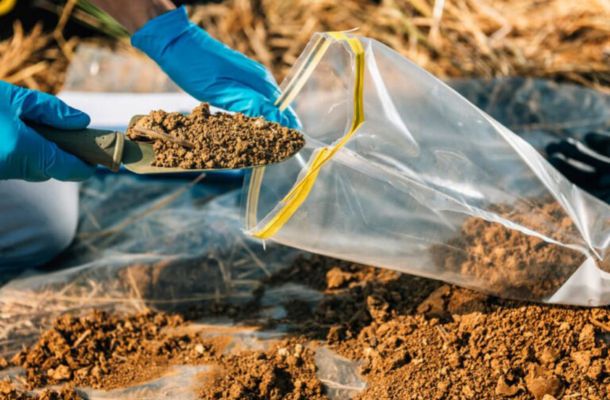
Process We Follow for Soil & Tissue Testing
Step 1: Site Analysis and Sample Collection
The first step is a thorough inspection of your site. We evaluate factors like sun exposure, drainage, plant species, and placement. This allows us to determine the optimal locations to take soil and tissue samples. It also provides context for interpreting the test results later.
We use proper tools and methods to carefully collect soil cores and plant tissue samples. Enough samples are taken to provide an accurate representation of the entire landscape. The samples are placed in sealed containers and labeled for the testing lab.
Step 2: Submission to the Laboratory
We only use respected laboratories accredited by The Soil Science Society of America. Samples are promptly submitted with submission forms detailing the site conditions and goals.
The lab technicians analyze the soil samples for critical characteristics:
- pH
- Macronutrients – Nitrogen, Phosphorus, Potassium
- Micronutrients – Iron, Manganese, Zinc, Copper
- Cation Exchange Capacity
- Base Saturation Percentages
- Organic Matter
Tissue samples are tested for optimal nutrient levels based on the plant species. This allows us to pinpoint any deficiencies.
Step 3: Results and Recommendations
Once the test results are received, our certified arborists carefully analyze the data. We compare the levels to ideal ranges and identify any problem areas.
Next, we develop science-backed treatment recommendations targeting the issues discovered. This includes products and application rates for:
- pH adjustment
- Fertilization
- Soil amendments
- Disease control
The treatment plan aims to correct deficiencies and imbalance to create optimal growing conditions.
Step 4: Implementation
If requested, we can fully implement the treatment plan tailored to your landscape. Or we provide instructions for you to follow the recommendations.
Treatments may include:
- Liming to adjust soil pH
- Applying organic or chemical fertilizers
- Compost, manure, or mineral amendments to improve soil
- Fungicides, pesticides, or bio-stimulants for disease management
During implementation, we take care to follow all product label directions. Our crew uses proper safety precautions to protect people, plants, and the surrounding environment.
Step 5: Follow Up Testing
We suggest conducting soil testing every 2-3 years to monitor nutrient levels. Foliar tissue tests should be performed annually.
Follow up tests allow us to adjust treatments based on changing conditions over time. Continued monitoring ensures your landscape has what it needs for sustained health and beauty.
Cost of Soil & Tissue Testing in Farmington Hills, MI
The cost for a soil and tissue testing service depends on several factors:
- Number of samples – The lab charges per test, so more samples equals higher cost
- Testing parameters – Basic tests are cheaper than comprehensive analysis
- Implementation services – We offer a la carte pricing if you only want testing plus recommendations or the full treatment application
Here are some typical costs:
- 5 soil samples with basic test: $150
- 10 soil samples with comprehensive test: $325
- 10 tissue samples: $200
- Testing plus treatment recommendations only: Starts at $375+
- Testing, recommendations, and full treatment implementation: Starts at $850+
Get an exact quote by contacting us for your specific project. Volume discounts may be available.
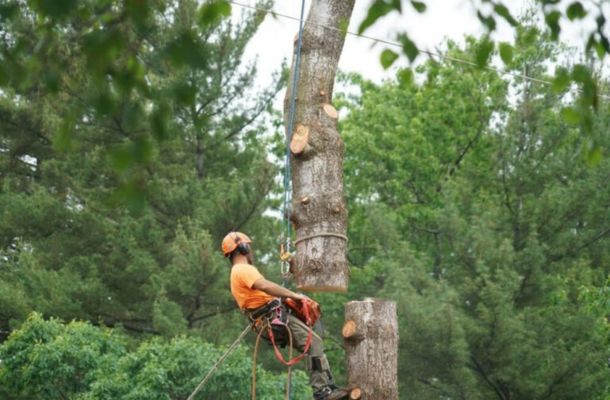
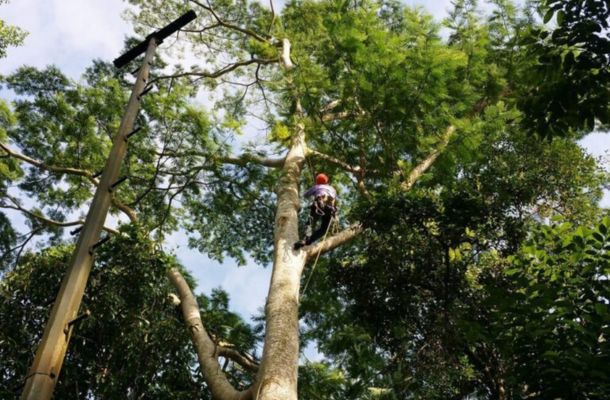
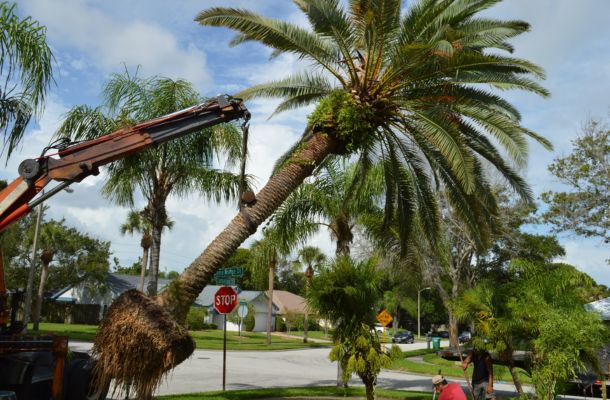
Examples of Our Tree Service Projects in Farmington Hills, Michigan

Great Reasons to Choose Us
Quality Services
Our ISA-certified arborists use industry best practices to ensure safe, high-quality tree care.
Licensed & Insured
We are licensed, bonded, and insured for your peace of mind.
Scheduling
Our flexible scheduling makes it easy to book tree services when it’s convenient for you.
Free Consultations
We provide free estimates and consultations for all new customers.
Customer Satisfaction
Excellent service and fair pricing result in happy customers. See our 5-star reviews.
Affordable Pricing
As a local company, we offer very reasonable rates on all tree services.
FAQs About Soil & Tissue Testing in Farmington Hills, Michigan
What are the benefits of soil testing?
Soil tests identify nutrient deficiencies and imbalances so treatments can be tailored to create optimal growing conditions. This promotes plant health and reduces fertilizer usage.
How often should soil be tested?
Ideally every 2-3 years. Annual testing is needed for crops, while testing every 5 years works for mature ornamentals.
When is the best time to test soil?
Early spring before fertilization provides an accurate baseline. Fall testing shows nutrient levels after a growing season.
Can you test soil in just one area of the yard?
No, samples from several locations are needed to account for variations.
How are tissue samples collected?
Using clean bypasses pruners, cut several leaves and parts of stems/trunks. Don’t damage plant growth.
What nutrients are tested in tissue samples?
Nitrogen, phosphorous, potassium, calcium, magnesium, sulfur, iron, manganese, zinc, copper, boron.
How often should tissue testing be done?
Annually, so you can compare year-over-year results and adjust treatments.
What types of labs perform soil and tissue tests?
Labs associated with agricultural colleges or extensions and commercial environmental testing labs.
How long does testing take?
3-10 business days typically. Rapid tests for 24-48 hour results are available at added cost.
Will testing harm my plants?
No, proper sampling techniques minimize damage while providing useful samples.
Tree Solutions We Provide
Tree Removal Services
Tree Trimming
Emergency & Others
Check Our Blogs
No posts
Hours
Monday: 9:00 AM – 5:00 PM
Tuesday: 9:00 AM – 5:00 PM
Wednesday: 9:00 AM – 5:00 PM
Thursday: 9:00 AM – 5:00 PM
Friday: 9:00 AM – 5:00 PM
Saturday: 9:00 AM – 5:00 PM
Sunday: 9:00 AM – 5:00 PM

Why Local Farmington Hills Residents Trust Us
People Say The Nicest Things
carol A.
Allen M.
Scott Handy
Contact Us.
Get Solutions For All Tree Services
Every day from
9:00 — 5:00
Call to ask any question
Call Us Now
